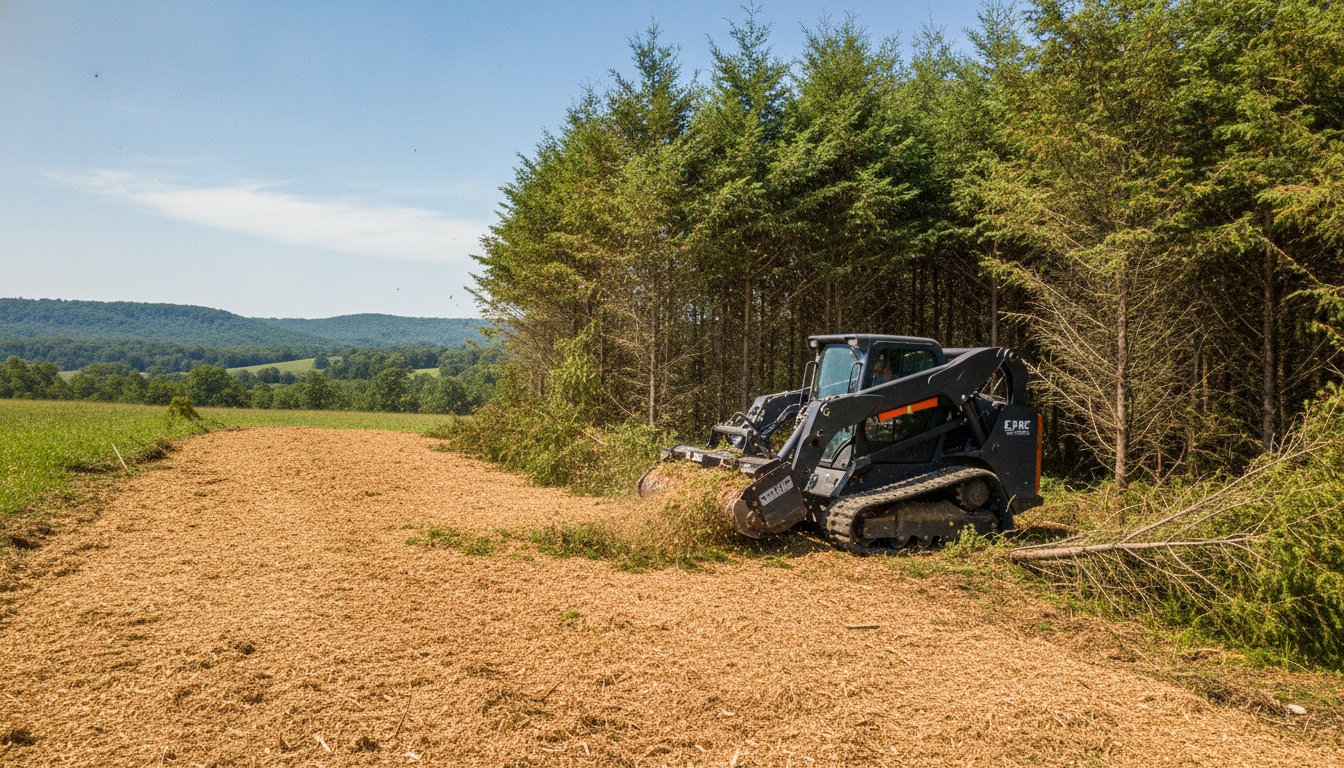
What if the thicket of Eastern Red Cedar and invasive privet creeping across your property is doing more than just blocking your view? For many landowners, these "water-thieves" represent a loss of usable pasture and a breeding ground for heavy tick infestations. When you're looking into small tree clearing Kentucky experts recommend, the goal isn't just to remove the mess. It's about reclaiming your land's potential without stripping away the valuable topsoil that sustains it.
We understand the frustration of watching a once-clear field turn into an impenetrable wall of brush. You want a property that looks like a park, not a construction site. This guide will show you the most efficient, soil-safe methods for clearing small trees and invasive growth while preserving your property's long-term value. We'll explore why selective forestry mulching is often superior to traditional bulldozing and how timing your project can help you stay compliant with local guidelines, such as the seasonal protections for tree-roosting bats between April 1 and November 15. By the end, you'll have a clear path toward a cleaner, healthier landscape.
Key Takeaways
- Learn to identify common Kentucky invaders like Eastern Red Cedar and Autumn Olive that quickly overtake valuable pasture space.
- Discover how to protect high-value trees like White Oaks and Black Walnuts while removing dense undergrowth to improve your property's accessibility.
- Compare manual, mechanical, and mulching methods to find the best approach for small tree clearing Kentucky projects that prioritize long-term soil health.
- Understand the professional reclamation process, including how specialized skid steer technology creates a clean, park-like finish without the need for messy burn piles.
- Gain insights into why local expertise is essential for navigating South Central Kentucky's unique terrain and seasonal environmental regulations.
What Defines Small Tree Clearing in Kentucky?
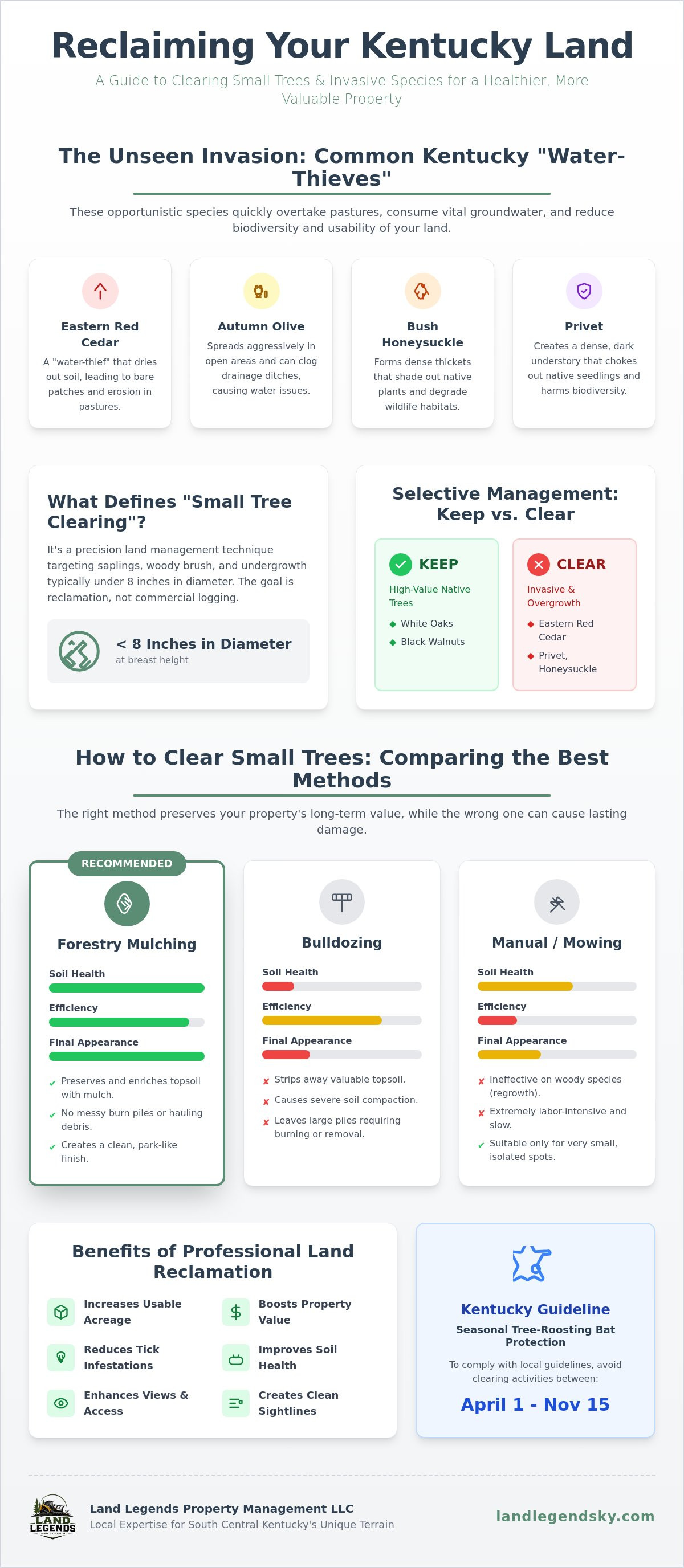
To understand the scope of small tree clearing Kentucky landowners often face, we must first define what qualifies as a "small tree." In the context of property reclamation, this typically refers to the removal of saplings, woody brush, and invasive understory growth that measure under 8 inches in diameter at breast height. Understanding What is Land Clearing in this specific niche helps distinguish it from large-scale commercial logging or simple lawn maintenance. Small tree clearing is a precision land management technique that targets invasive growth while sparing mature hardwoods.
In South Central Kentucky, the most common offenders include Eastern Red Cedar, Autumn Olive, and Bush Honeysuckle. These species thrive here because they're opportunistic; they quickly colonize old pastures or fence lines where the soil has been left undisturbed. Unlike native oaks or walnuts, these plants grow with aggressive speed. They often create a thick canopy that chokes out sunlight and nutrients for everything beneath them, essentially claiming the land for themselves.
The Problem with Invasive "Water-Thieves"
Eastern Red Cedars are often called "water-thieves" for a good reason. In Adair County pastures, a single mature cedar can consume significant amounts of groundwater, leaving the surrounding soil too dry for healthy forage grass to grow. This leads to bare patches of dirt and increased erosion. Similarly, the rapid spread of Privet creates a dense, dark understory that destroys local biodiversity by preventing native seedlings from taking root. Many owners try to manage this with a traditional brush hog or mower. However, mowing woody species often fails because it leaves the root system intact; the plant simply responds by sending up multiple new shoots, turning one small sapling into a multi-stemmed bush.
When to Clear vs. When to Log
It's vital to distinguish between "brush" and "timber" before starting a project. Commercial loggers generally aren't interested in trees under 10 or 12 inches because they lack market value as lumber. Using heavy logging equipment on small growth often causes unnecessary soil compaction and damage to the very trees you want to keep. Land Legends focuses on forestry mulching because it processes these smaller liabilities into nutrient-rich mulch right where they stand. Clearing these small trees before they reach maturity is a cost-effective way to prevent them from becoming massive, expensive liabilities that require specialized felling and removal later.
Evaluating Your Property: What to Clear and What to Keep
Walking through your acreage is the first step in any reclamation project. Before you start removing growth, you need a plan that distinguishes between invasive scrub and valuable timber. Identifying high-value "keep" trees like White Oaks or Black Walnuts is crucial for preserving your property's future equity. These species are staples of the Kentucky landscape; they provide long-term timber value, essential shade, and habitat for local wildlife. In contrast, the dense underbrush often masks the true beauty and topography of the land. When you invest in small tree clearing Kentucky landowners often find that their acreage feels twice as large simply because they can finally access and use every corner of it.
Problem areas often hide in plain sight. Fence lines are notorious for harboring Eastern Red Cedars that can eventually pull down wire or rot wooden posts. Drainage ditches clogged with bush honeysuckle or autumn olive prevent proper runoff, which leads to soggy pastures and avoidable soil erosion. Assessing these specific spots helps you prioritize where the work will have the most immediate impact on your property's health and utility.
The Curb Appeal Strategy for Landowners
If you're considering selling your property, first impressions happen at the edge of the woods. Clearing the understory significantly increases the perceived value of a wooded lot. By removing scrub trees and invasive vines, you create clean sightlines that allow potential buyers to see the lay of the land and imagine where a home or barn could sit. Our approach to Land Clearing for Curb Appeal focuses on highlighting the best features of your acreage, such as rolling hills or mature groves, rather than leaving them hidden behind a wall of green.
Tick Mitigation and Safety Zones
Safety is another major driver for property reclamation. Thick undergrowth is the primary habitat for Kentucky ticks because it traps humidity and provides cover from the sun. By removing small trees and dense brush, you create a "dry zone" that these pests typically avoid. This makes your backyard or recreational trails much safer for pets and children. Improving the airflow and sunlight penetration through understory thinning is a natural way to reduce pest populations without relying solely on heavy chemical applications. If you aren't sure which areas to tackle first, a professional walkthrough can help you identify the highest-priority zones for your specific goals. Consulting with a local specialist ensures you're making the most of your land's natural layout while protecting its long-term health.
How to Clear Small Trees: Comparing the Best Methods
How do you choose the right approach when your growth is too thick for a standard brush hog but too small for a commercial logger? Selecting the right method for small tree clearing Kentucky landowners often struggle with depends on your goals for the land's future health. While there are several ways to tackle overgrown acreage, each comes with distinct trade-offs regarding soil impact, speed, and long-term maintenance needs. For most properties in South Central Kentucky, the choice typically falls between manual labor, heavy mechanical clearing, or specialized forestry mulching.
Traditional clearing often relies on a bulldozer to simply push over everything in its path. While this seems fast, it creates significant "hidden costs" that many owners don't anticipate. You aren't just left with bare ground; you're left with massive debris piles that require weeks of burning or expensive hauling. Additionally, the heavy tracks and blades often strip away the vital topsoil, leaving the land vulnerable to erosion and making future planting much more difficult. It's a heavy-handed solution for a problem that often requires more precision.
Forestry Mulching vs. Bulldozing
The primary drawback of using a bulldozer on delicate Kentucky clay and limestone soils is the "scarring" effect. Heavy machinery can easily compact the earth or gouge deep ruts that disrupt natural drainage. This is especially problematic on sloped Taylor County land, where losing topsoil leads to immediate runoff issues. In contrast, forestry mulching acts as the "Goldilocks" solution. It's powerful enough to process saplings up to 8 inches in diameter but light enough to leave the soil structure intact. By turning the trees into a protective layer of organic material, you essentially create a natural blanket that prevents erosion and feeds the soil as it decomposes. You can find a deeper dive into these differences in our guide on Forestry Mulching vs Bulldozing.
The DIY Chainsaw Trap
Many landowners consider clearing their property manually with a chainsaw to save on upfront costs. However, the physical toll of clearing even a single acre of dense cedar or honeysuckle is immense. Beyond the safety risks, there's a biological hurdle: stump sprouts. When you cut a woody invasive species at the ground level without removing the root or mulching the stump, the plant often responds by sending up multiple new shoots. Within two years, you may find that the "cleared" area is actually thicker than when you started. When you calculate the real cost of your time, fuel, and the inevitable need for a second round of clearing, professional small tree clearing Kentucky services often prove to be the more efficient and permanent investment.
Step-by-Step: The Professional Small Tree Clearing Process
Execution is where a vision for your property becomes a reality. A systematic approach ensures the job is done safely and efficiently without damaging the land's long-term health. When you hire a specialist for small tree clearing Kentucky landowners can expect a process that prioritizes precision over raw force. This journey begins long before the first mulching head touches a sapling, starting instead with a detailed understanding of your specific goals for the acreage.
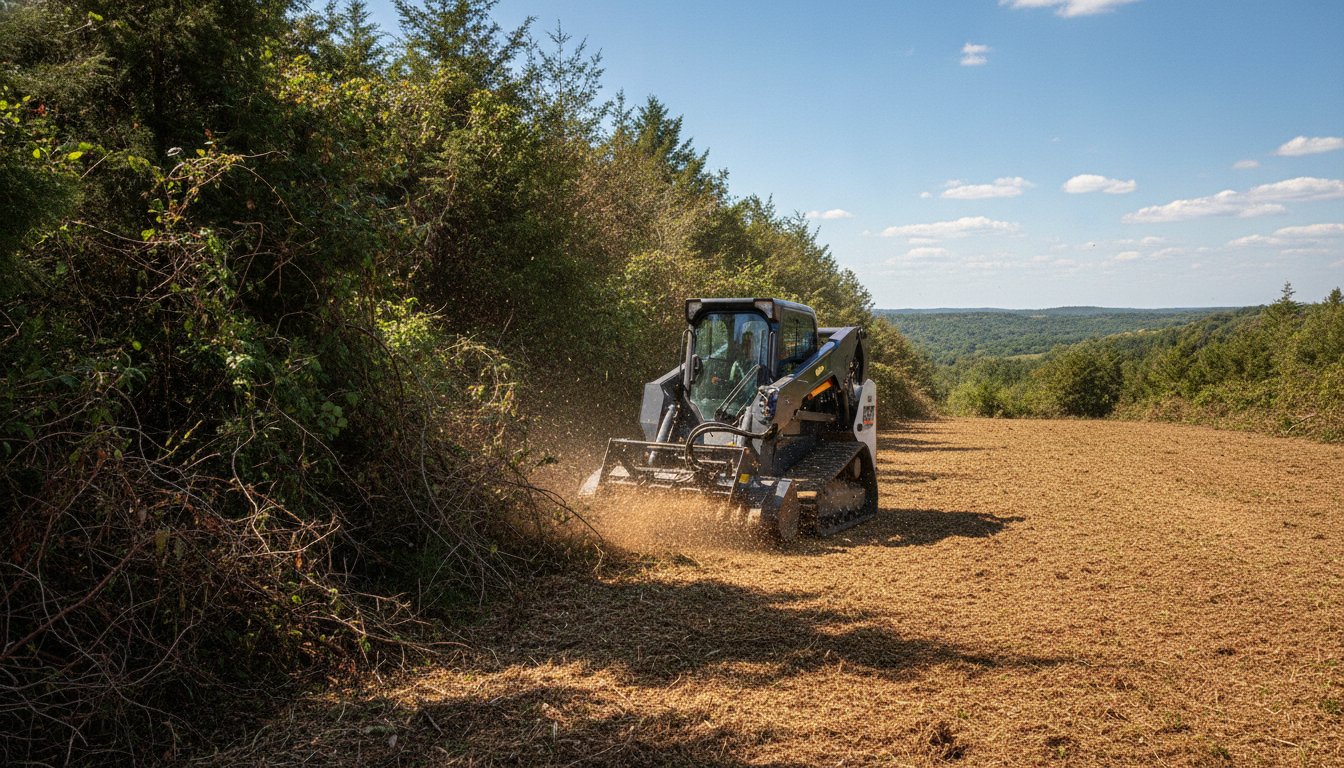
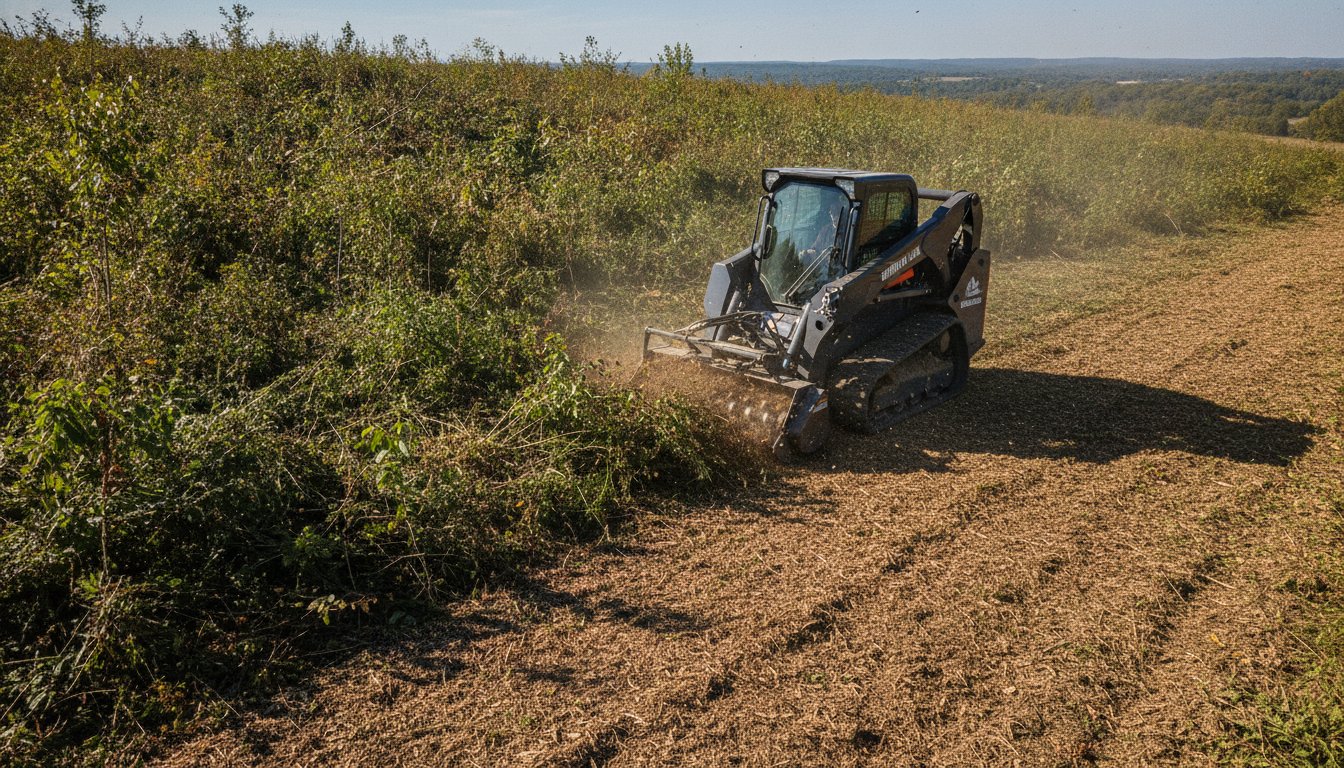
The first phase is always a comprehensive property walkthrough. During this stage, we identify and mark "save" trees, such as mature oaks or fruit-bearing species, to ensure they aren't accidentally damaged. We also locate and flag utilities, wellheads, or hidden rock outcroppings. Once the boundaries are clear, the mulching process begins. Unlike traditional methods that rip trees out by the roots, a skid steer with a high-flow mulching head processes trees from the top down. This method turns the trunk and limbs into a fine mulch while leaving the root structure to decompose naturally, which prevents immediate soil erosion.
Pre-Clearing Preparation for Landowners
How can you prepare for the arrival of heavy equipment? Start by clearly marking your property lines to avoid any disputes with neighbors. It's also the perfect time to visualize how you want to use the space. Are you planning recreational trails for ATVs or specific shooting lanes for the upcoming hunting season? Identifying these paths beforehand allows the operator to prioritize those areas. For more detailed advice on getting your acreage ready, read our guide on How to Reclaim Overgrown Farmland.
What to Expect During Mulching
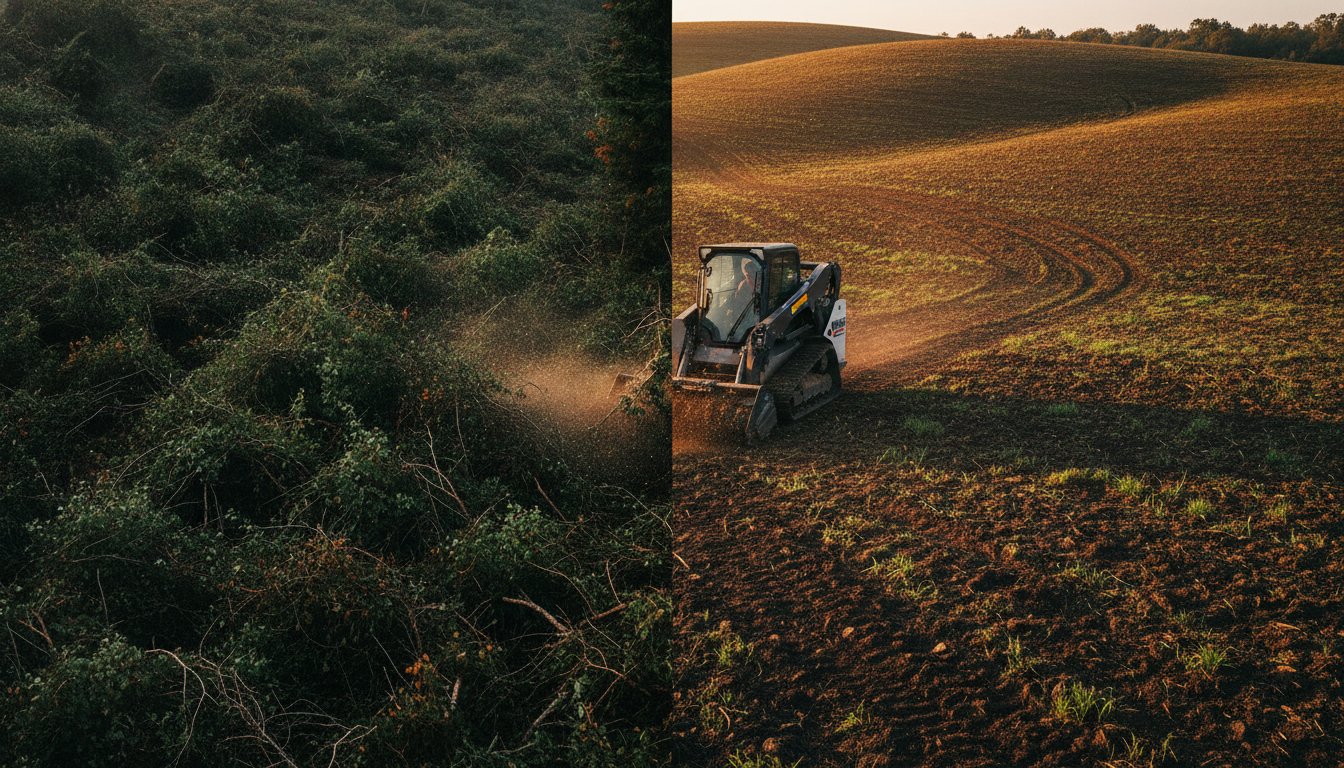
Safety is the top priority during the active clearing phase. High-flow mulching equipment is powerful and can throw debris, so a strict safety perimeter is required for anyone on foot. You'll notice the machine handles stumps by grinding them flush with the ground, ensuring the final result is a mowable surface. The "finished look" is immediate. Instead of the charred earth and holes left by bulldozers and burn piles, your property will feature a clean, park-like floor covered in a fresh layer of organic mulch. This layer acts as a natural weed barrier and moisture retainer for the soil.
The final phases involve grading that mulch layer to ensure optimal decomposition and setting up a monitoring plan. Invasive species are persistent; keeping an eye on regrowth over the following season ensures your small tree clearing Kentucky investment stays clean for years to come. If you're ready to see what your land can truly look like, schedule a property walkthrough with our team today to start your reclamation project.
Reclaiming Your Land with Land Legends: Why Local Expertise Matters
Choosing a partner for property reclamation requires more than just finding someone with a machine. It's about finding a team that understands the specific clay soils and invasive patterns unique to South Central Kentucky. At Land Legends, we operate with a "Stewardship First" philosophy. We don't just clear land; we reclaim it for the next generation. Our use of specialized skid steer technology allows for precise, low-impact small tree clearing Kentucky landowners can trust to protect their topsoil and mature timber. Whether you're in Adair, Green, or Taylor county, we treat your acreage with the same meticulous care we'd use on our own family farms.
Our approach is built on a foundation of reliability and craftsmanship. We recognize that every property has a different story and a different set of challenges. Some lots are choked with decades of cedar growth, while others are losing the battle against invasive vines and honeysuckle. By focusing on precision mulching rather than destructive bulldozing, we ensure that your land remains healthy, stable, and ready for whatever you have planned next. This methodical, results-oriented process is designed to give you peace of mind throughout the entire project.
Serving South Central Kentucky
Our roots are deep in the communities of Columbia, Campbellsville, and Greensburg. We've spent years navigating the dense "cedar thickets" and "honeysuckle hells" that characterize our regional landscape. This local knowledge makes a significant difference in how we approach a job. We understand how these species behave and the most effective ways to eliminate them without causing unnecessary disruption to the surrounding environment. To keep things straightforward, we utilize project-based fees. This provides total transparency, so you know the cost of your small tree clearing Kentucky project before the first machine ever arrives on-site.
From Overgrown to Productive
We've helped many of our neighbors transition their land from impassable brush into productive pasture or pristine recreational space. In one case, a landowner in Green County was able to reclaim five acres of lost grazing land that had been completely overtaken by Autumn Olive in just a few years. In another, we helped a Taylor County family create a network of clean, park-like trails through a wooded lot that was previously a haven for ticks. These transitions aren't just about aesthetics; they're about making your land work for you again.
If you're tired of looking at a wall of brush and are ready to see the true potential of your property, we're here to help. We'll walk the land with you, identify the best path forward, and provide a plan that respects both your vision and the environment. Take the first step toward a cleaner, more valuable property today. Request a Free Land Clearing Estimate from Land Legends and let's discuss how we can restore the beauty and utility of your Kentucky land.
Reclaiming Your Property’s Potential
Reclaiming your land is about more than just removing an eyesore. It's a strategic investment in your property's long-term health and usability. By choosing forestry mulching over traditional bulldozing, you protect the delicate topsoil while creating a park-like finish that naturally discourages pests. We've discussed how identifying the right species to keep and using a methodical clearing process can transform thickets into productive pastures or safe recreational trails. When you're ready to schedule the small tree clearing Kentucky landowners rely on for precision, the focus should always remain on stewardship and safety.
Land Legends brings specialized skid steer mulching technology to neighbors across Adair, Green, Taylor, Hart, Russell, and Cumberland counties. Our team prioritizes soil health and effective tick mitigation in every project we undertake. You don't have to settle for overgrown acreage that you can't use. Take the next step toward a cleaner, more valuable landscape today. Get a Professional Land Clearing Quote from Land Legends and see the difference that expert craftsmanship makes. Your property is ready to be restored to its best state.
Frequently Asked Questions
How much does small tree clearing cost per acre in Kentucky?
Costs vary based on the density of vegetation, the slope of the land, and the total acreage. While individual projects differ, heavy cedar thickets require more machine time than sparse brush. It's best to request a property walkthrough for an accurate assessment tailored to your specific Kentucky terrain. This ensures the plan accounts for your specific soil type and the species present on your land.
What is the best time of year to clear small trees and brush?
Late fall and winter are often the most effective times for clearing. With the leaves gone, visibility improves for marking "save" trees and identifying property lines. Additionally, clearing during the dormant season helps landowners comply with federal recommendations to protect tree-roosting bats between April 1 and November 15. This timing also reduces the risk of soil compaction since the ground is often firmer during these months.
Do I need a permit for land clearing in South Central Kentucky?
Most private property owners in South Central Kentucky don't need a permit for small tree clearing Kentucky regulations typically focus on commercial timber harvests rather than residential maintenance. However, if your land is near a public easement or within certain city limits, local ordinances may apply. It's always a good idea to check with your county clerk if your property borders public spaces.
Can forestry mulching handle cedar trees and invasive honeysuckle?
Absolutely. Forestry mulching is specifically designed to process fibrous species like Eastern Red Cedar and the dense, multi-stemmed structures of Bush Honeysuckle. The high-speed mulching head shreds these plants into fine organic material right where they stand. This eliminates the need for messy burn piles or expensive hauling, as the debris is converted into nutrient-rich mulch that stays on your property.
Will the small trees grow back after they are mulched?
Mulching significantly slows regrowth because it processes the stump flush with the ground. While it doesn't always kill the root system of every invasive species, the thick layer of mulch acts as a natural barrier that suppresses new seedlings. Periodic mowing or targeted maintenance after the initial clearing usually keeps the area clean and prevents the woody brush from returning.
Is forestry mulching safe for my existing mature hardwood trees?
Yes, it is much safer than traditional excavation or bulldozing. Because mulching equipment uses a smaller footprint and doesn't involve "grubbing" or pulling roots, it avoids the severe soil compaction and root damage that often kills mature oaks or walnuts. It's a surgical approach to land management that allows us to work closely around the trees you want to preserve.
How long does it take to clear one acre of thick small trees?
A single acre of moderately dense brush typically takes between four and eight hours to clear. Extremely thick "honeysuckle hells" or steep hillsides may take a bit longer to process effectively. The efficiency of a high-flow skid steer allows us to complete most residential projects in a fraction of the time required for manual labor or traditional clearing methods.
Can I mow over the area once the forestry mulcher is finished?
That is the primary goal of the process. We grind stumps and debris down to ground level so you can maintain the area with a standard brush hog or even a stout zero-turn mower. This allows you to transition your land into a usable backyard or a productive pasture immediately without worrying about hidden stumps damaging your equipment.